
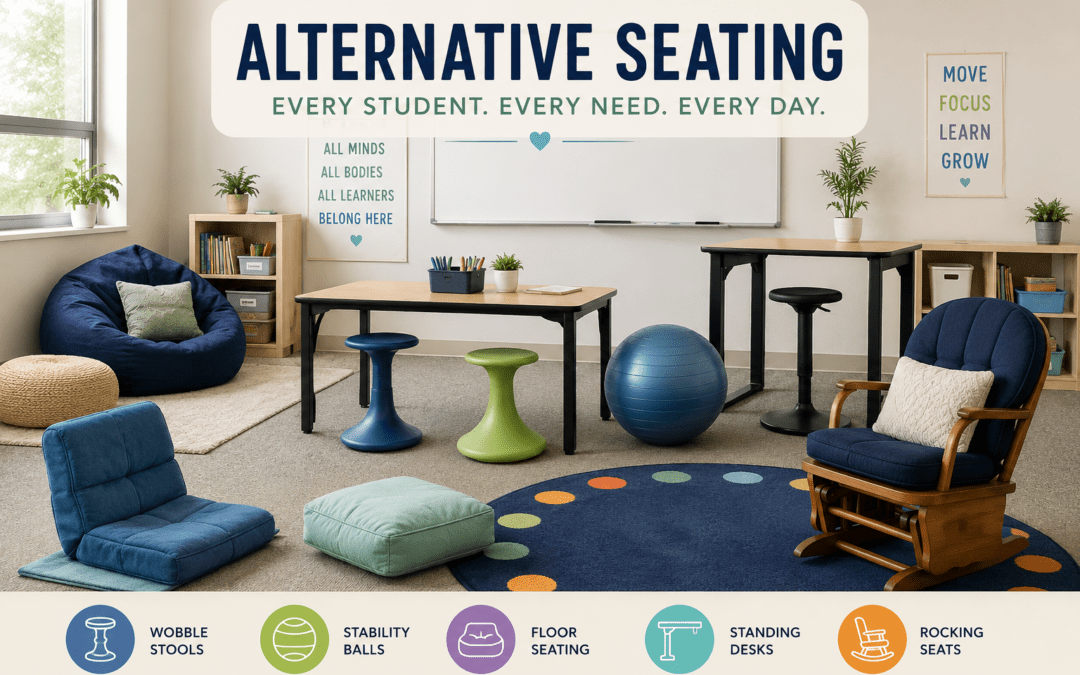
Alternative seating has become an increasingly valuable tool in today’s classrooms, especially for neurodiverse students. Traditional desks and chairs work well for some learners, but for others, sitting still in one position for long periods can create stress, distraction, or even physical discomfort. Students with autism, ADHD, sensory processing differences, anxiety, or other learning needs often focus better when their bodies are supported in ways that match how they naturally regulate attention and movement.
Alternative seating is not about making a classroom look trendy or giving students “special treatment.” It is about creating an environment where more students can access learning successfully. When students are physically comfortable and able to move appropriately, teachers often see improvements in focus, emotional regulation, participation, and classroom behavior.
Many neurodiverse students rely on movement and sensory input to stay engaged. Some students need gentle motion to concentrate, while others need firmer physical support or opportunities to shift positions throughout the day. Providing flexible seating options gives students choices, and choice itself can reduce stress and increase independence.
One important thing for educators to remember is that alternative seating should always be purposeful. Not every option works for every child. A wobble stool may help one student focus but overstimulate another. The best classrooms observe student responses carefully and adjust seating supports over time.
Here are five effective examples of alternative seating for neurodiverse learners:
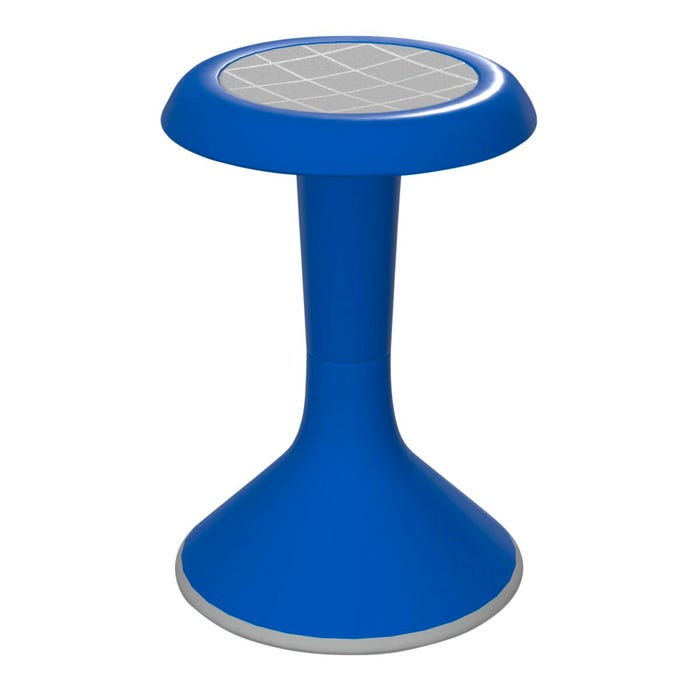
1. Wobble Stools
Wobble stools allow students to move slightly while staying seated. The small movements help many students with ADHD or sensory needs maintain attention during lessons. These stools can provide needed vestibular input without disrupting the classroom.
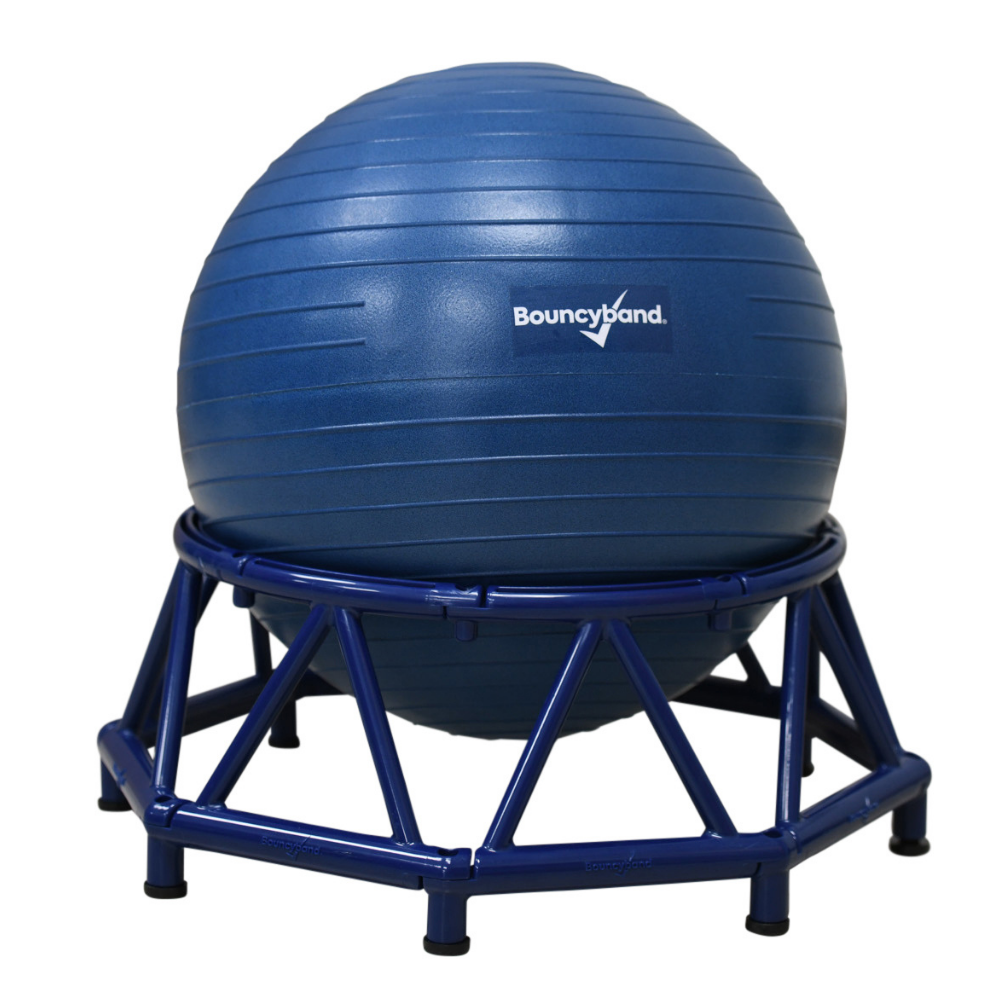
2. Stability Balls
Exercise balls give students an outlet for movement while encouraging core strength and posture. Some students focus better when they can bounce gently or shift their weight. Teachers should establish clear expectations for safe use so the balls remain supportive instead of distracting.
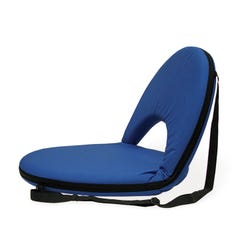
3. Floor Seating with Cushions or Bean Bags
Some neurodiverse students feel calmer and more regulated closer to the floor. Soft seating options like bean bags, floor cushions, or foam mats can create a comfortable sensory experience that reduces anxiety and increases engagement during independent reading or quiet work.
4. Standing Desks
Certain students learn best when they are not confined to sitting all day. Standing desks allow movement and posture changes that can improve attention and reduce restlessness. Many students with ADHD benefit from the ability to stand while working.

5. Rocking Chairs or Glider Seats
Gentle rhythmic movement can help students self-regulate and stay calm. Rocking seating options are particularly helpful for students who seek repetitive motion for sensory regulation. These seats can support emotional control during stressful academic tasks.
The key to successful alternative seating is flexibility and observation. Teachers do not need to redesign their entire classroom overnight. Even adding one or two seating choices can make a meaningful difference for students who struggle in traditional environments.

Ultimately, alternative seating supports a larger goal: helping every student feel safe, regulated, and ready to learn. When classrooms recognize that different bodies and brains learn differently, they become more inclusive, supportive, and effective for everyone. City Elementary support neurodiverse students with multiple choices for seating so they can be comfortable and engaged in learning!